The Hidden Costs of “Free” AI

“It’s free — and it’s amazing.” That’s the mantra echoing from every product launch, every investor deck, every cheerful tweet. But free, as we know, is a shape-shifter. In the world of generative AI, the price tag is invisible, yet it’s written in data points, carbon particles, and the quiet labor of humans you’ll never meet.
This isn’t another fanboy post. No hype. No “let’s build a chatbot in 5 minutes.” Instead, we’re stepping into the shadow economy of “free” AI — the real ledger that doesn’t appear on any balance sheet. Because if you’re not paying with your wallet, you’re paying with something else.
1. Privacy: the data you didn’t know you donated
Every prompt, every correction, every “regenerate response” is a data point. The convenience of ChatGPT, Claude, or Gemini comes with a silent clause: your input is their goldmine. While companies claim anonymization, the reality is that conversational data is deeply personal. It reveals intent, sentiment, biases, and sometimes — fragments of identity.

When you use a “free” AI assistant, you’re often training the next version. Your chats become part of the reinforcement learning loop. And while opt-out policies exist, they’re buried under layers of legalese. The European Data Protection Board has raised flags, but the U.S. is still playing catch-up. The result? A privacy deficit that we’re all subsidizing with our digital footprints.
Think about it: your conversation about mental health, your business strategy, your creative drafts — all flowing through servers that may retain them indefinitely. That’s not a bug; it’s the business model.
2. Data usage: the new oil, refined by AI
Data is the engine. But not just any data — high-quality, human-generated, context-rich data. The race to train larger models has already scraped the public internet clean. Now, companies are turning to synthetic data, user-generated prompts, and — here’s the hidden part — your feedback.
Every time you rate a response, every time you click “thumbs down,” you’re performing micro-labeling. That’s RLHF (Reinforcement Learning from Human Feedback) in action. It’s the secret sauce that makes models sound less robotic. But it’s also an unpaid internship for billions of users.
And let’s not forget the data brokers. AI companies don’t just rely on your prompts — they buy datasets from brokers who piece together your online behavior, purchase history, and location. That’s how “free” becomes a funnel for profiling.
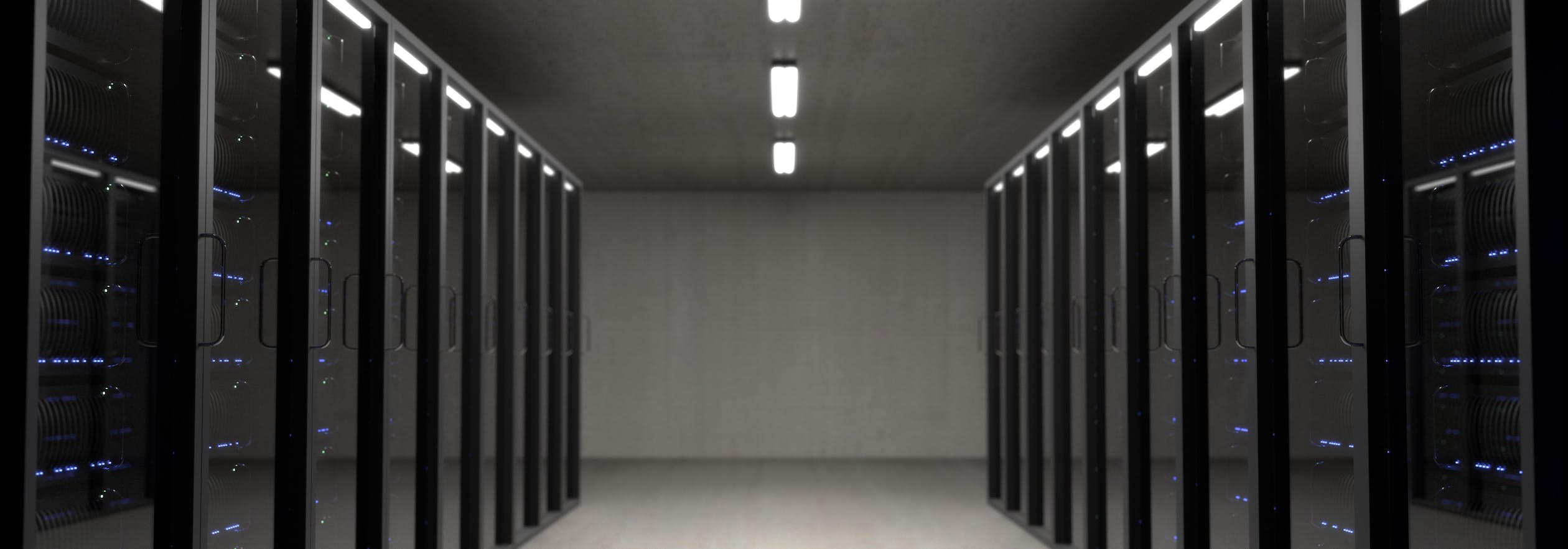
3. Environmental impact: the cloud has a carbon shadow
AI is thirsty — for electricity. Training a single large language model can emit as much carbon as five cars over their entire lifetime. And inference? That’s the daily grind. Every query requires a cascade of computations in sprawling data centers that consume water for cooling and energy from grids that are still mostly fossil-fuel powered.
Microsoft, Google, and OpenAI have pledged carbon negativity, but the reality is that demand is outpacing renewables. In 2025, AI-related energy consumption rose by 34% in the U.S. alone. The “free” tier is subsidized by cheap energy — and cheap energy often means dirty energy.
We’re trading environmental stability for instant answers. And while efficiency improves, the Jevons paradox looms: as AI becomes more efficient, we use it more, offsetting any gains. The hidden cost? A planet that’s a little warmer, a little drier, and a little less predictable.
4. Human labor: the invisible RLHF workforce
Behind every polished chatbot response is a human who labeled, ranked, and refined. RLHF workers — often in the Global South — spend hours rating toxic content, correcting factual errors, and aligning models with “human values.” They are the ghost workers of AI, paid pennies per task, with little job security.
In 2025, an estimated 4.2 million people worked indirectly on RLHF tasks. Many are outsourced through platforms like Amazon Mechanical Turk or specialized agencies. They face psychological strain from repetitive exposure to harmful content, yet they are rarely mentioned in the glossy marketing.
- ~$2–$5 / hour
- No benefits
- High turnover
- Exposure to violence
- Bias reinforcement
- Mental fatigue
These workers are the unsung heroes — and the hidden cost. They make AI safe, polite, and useful. But they are not partners; they are expendable cogs in a machine that celebrates “democratizing AI” while keeping the real cost invisible.
So, what’s the alternative?
Not to abandon AI — that’s neither realistic nor desirable. But to use it with radical awareness. Choose open-weight models when possible. Support companies that publish transparency reports. Use local models for sensitive tasks. Push for regulation that mandates energy labels and worker protections.
And most importantly: stop treating free as free. Every query is a transaction. Every interaction is a contribution. The hidden costs are real, but they’re not inevitable. We can design a future where AI is not only intelligent but also accountable — ecologically, socially, and ethically.
This blog is an invitation to think critically. Not to reject AI, but to humanize it. Because the true price of “free” is paid by the planet, the unseen, and the unprotected. And that’s a debt we can’t afford to ignore.
Comments
Post a Comment